

How I got to know the work of photographers Diane Arbus and Nan Goldin, and my friend (at the time a total stranger), Vitor Fernandes / Natasha Semmynova
I was taking a professional photography course in the evenings at IPF – Instituto Português de Fotografia. One of the subjects was called Personal Project, and the teacher was Rita Castro Neves. I honestly liked her a lot — her culture, the way she shared it with us, and especially her very direct and pragmatic way of evaluating our work.
One of the photo projects we had to develop had the theme IDENTITIES.
After class, I stayed chatting with some classmates, discussing ideas for this project. Anabela, who worked at reception and whom I got along well with, said:
What if you did it about a Drag Queen who’s very well known in Porto’s nightlife, Natasha Semmynova?
I thought the idea was really interesting. It fit the project’s theme perfectly, and I immediately thought about doing a documentary story that would slightly demystify the idea of a Drag Queen — because honestly, I had no idea what a Drag Queen was. I thought: if it’s interesting for me, it’ll probably be interesting for others too.
I didn’t want to form opinions, but I wanted people to get a better idea. So, I decided to follow and photograph 24 hours of Vitor’s life. This project would later shape me as a documentary photographer — but we’ll get to that later.
I got home, did some research, and quickly found an email. I wrote explaining my idea and got a reply almost immediately. We arranged to meet for a coffee. As soon as we met, he said:
Carlota, I have no problem doing the project with you, but I should tell you that another one of your classmates from IPF also wants to do a project about Drag Queens. His name is Nelson.
Suddenly, I froze. I was so excited about the project… while taking a sip of my bitter coffee, I thought: (I don’t have any Nelson in my class, must be from another group). I turned to Vitor and said:
Vitor, if you don’t mind having two photographers for a while, I actually think it could be interesting. I’m curious to see how my approach will differ from Nelson’s.
We talked a lot. Vitor explained what being a Drag Queen meant, what he did, how he felt, what his days were like. I shared my idea, and we decided that I would portray him in different situations: during the day as Vitor, and at night as Natasha Semmynova.
The next day at IPF, I found out who Nelson was and went to talk to him. We realised we would take very different approaches: he would photograph Drag Queens in general, focusing only on the show and persona, while I would take a more documentary approach, showing the man and the Drag Queen.
I was super excited. I had everything ready to present to Rita in class. When it was my turn, Rita liked the idea and asked:
Which photographer or photographers inspired you for this project?
I didn’t know what to say… I hadn’t been inspired by anyone.
Rita, it was Anabela from reception who gave me the idea, and I think it fits the theme.
Rita said yes, it fit perfectly, but that I should do a photographic study — find photographers who had approached the same theme and see how they shot it. She said:
Carlota, all projects we develop should be inspired. You should always bring a project proposal with references.
At the time, I found it annoying. Having to research other people’s work when I already had a clear idea and narrative… But I did the research and found two photographers whose work matched the style I was looking for. I didn’t explore deeply; I just wanted names to give to Rita and move on with my project.
Years later, I really understand and appreciate this method. It’s so important to broaden horizons, to know the work of other photographers and their approaches. There’s so much great work out there to see, learn from, and identify with.
As for the IDENTITIES project, it went really well. Vitor was super helpful. We photographed his daily life — studying, taking public transport, going to Pride, the nightclub where he performed. I photographed the makeup process over several days. I found it fascinating: the hours he spent and the care he put into transforming himself.
I felt great while photographing, everything seemed to flow, every shot was rich in content. This was later confirmed in class with Rita, during the presentation of the contact sheets:
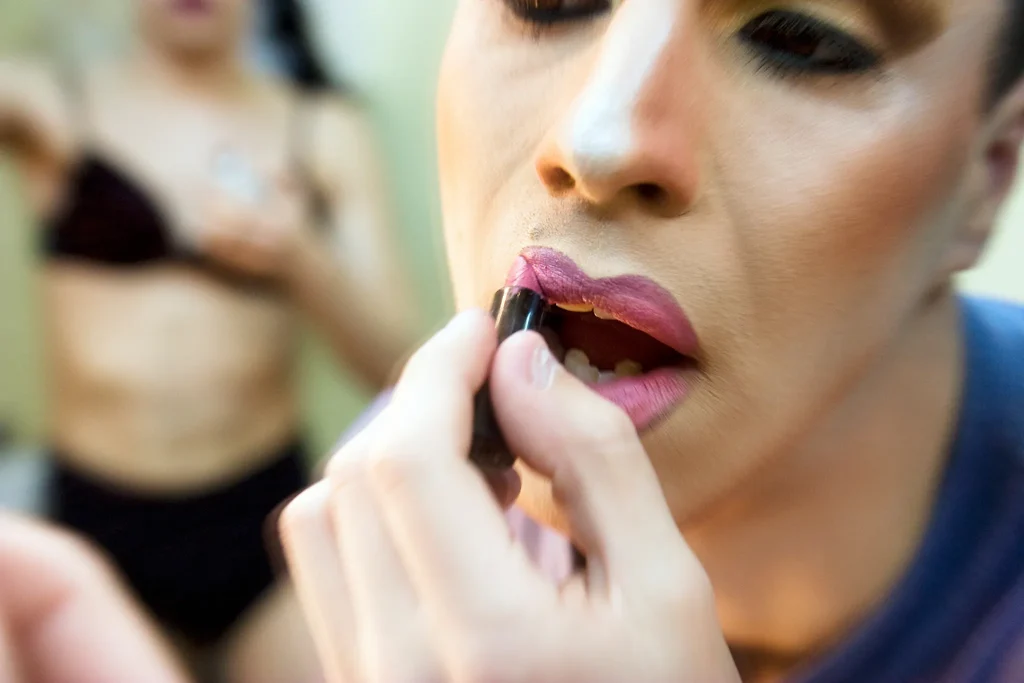
— Carlota, very good. These photos are really strong. You’re working very well with mirrors… you’re on the right track.
I was immediately over the moon. What I was feeling while photographing really came through in the images. My ego went straight up… totally different from my next project with Rita, but that’s another story.
Back to Vitor and his importance in my growth as a photographer: this was my first “serious” project, a deeper documentary project, one that spoke, told someone’s story through images. People could see it and form their own opinions.
I realised this is what I love most about photography: telling stories. More than taking “beautiful photos”, I want photos rich in content, that move people. Showing the world situations and helping others gain understanding about different aspects of life.
To this day, I follow the same philosophy in documentary photography.
You can see the final result here: IDENTITY
P.S. Needless to say, we became good friends. Vitor Fernandes passed away in July 2021, along with one of Porto’s most iconic Drag Queens. However, his life and work paved the way for new Drag Queens, acceptance, and better understanding of a topic that was still taboo when he started. Learn more about Natasha Semmynova.
The photographers became a reference for me, and in my opinion, their work is absolutely worth seeing.
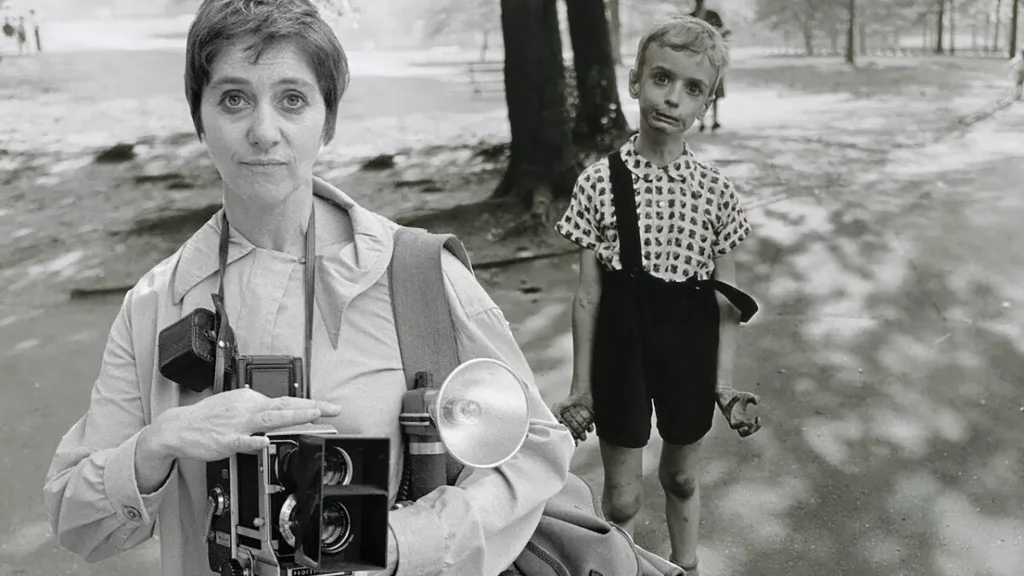
Diane Arbus, who photographed Americans belonging to certain groups and communities — transvestites, elderly people, nudists, masked figures, actors, “freaks”.
Through this, Arbus opens a curious dialogue between appearance and identity, illusion and belief, theatre and reality.
Is a person what they appear to be? Does their image function as a stamp of identity? Or is there something “beyond” form?
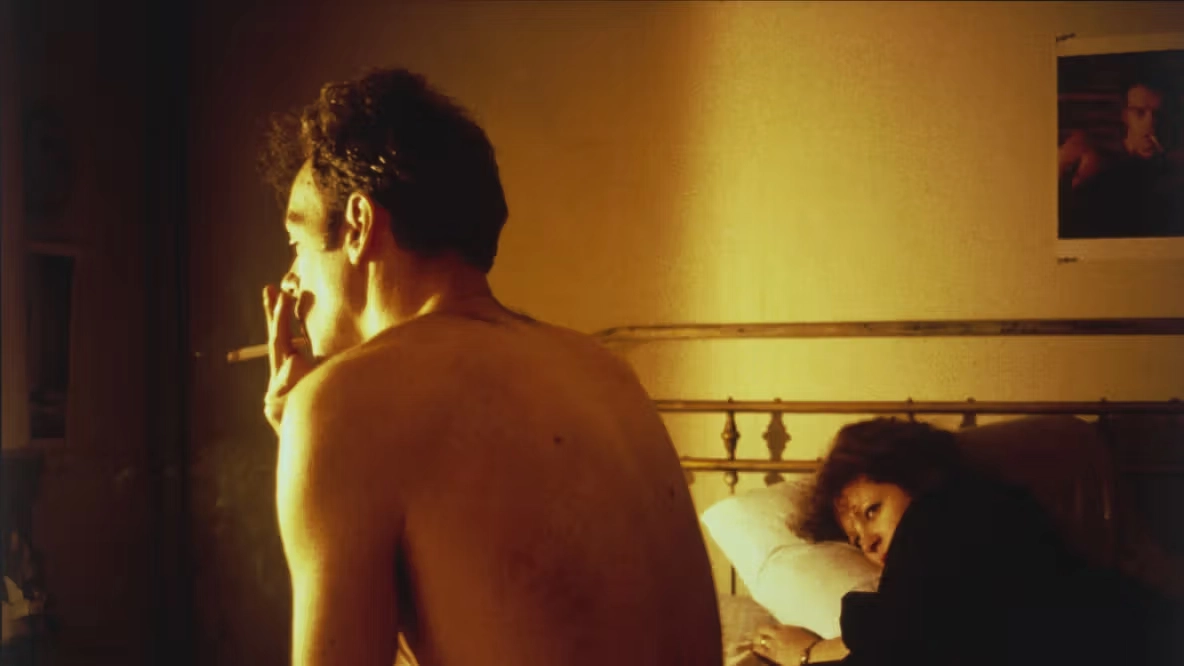
Nan Goldin, known for portraying the social lives of sexual minorities in the 1980s and 1990s.
Her interest in photography began after her sister’s death:
“I started taking photographs because of my sister’s suicide. I lost her and became obsessed with never losing someone’s memory again.”
Her work is mainly about her friends (many gay and Drag Queens), in their everyday lives, naturally and spontaneously — capturing their true essence.
And that’s it — one more story.
Until next time,
Carlota Leitão



Leave a Reply